Growing parsley in pots is a good way to keep this versatile herb close at hand, even if you've got limited garden space. In an outdoor container, parsley makes a useful pest-repelling companion plant. And indoors on a sunny windowsill, this herb will still produce plenty of flavorful leaves for you. All you need are some parsley plants or seeds, the right planting supplies, and these easy tips for growing parsley in pots.
1. Choose the right pots.
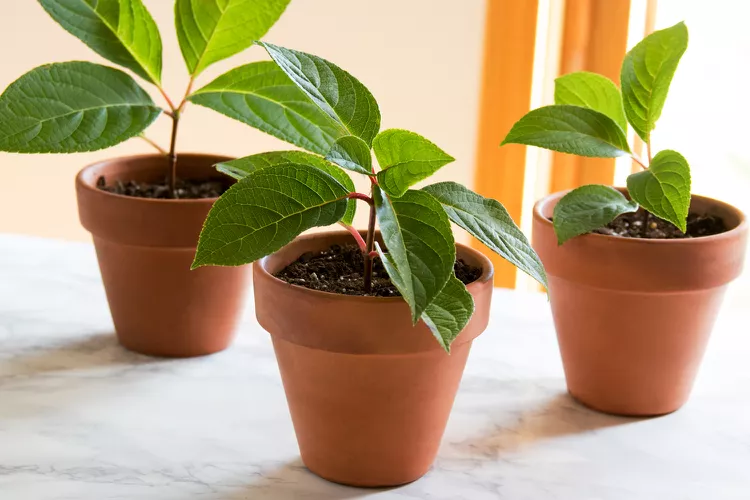
Parsley can grow in a variety of containers, including terra-cotta pots, fabric grow bags, and ornamental planters. Just make sure that any container you choose has plenty of drainage holes at the bottom to prevent soggy roots. Pots that are at least 6 inches wide can accommodate a single parsley plant; containers that are 12 inches wide by 12 inches deep provide enough space for three parsley plants and plenty of room for the roots to spread out.
2. Use a high-quality potting mix.
Standard potting mix or raised bed gardening mix are the best substrates for container-grown plants, including parsley. These mixes are specially developed to drain quickly in containers and often include nutrients to boost plant growth. To give your parsley an added advantage, mix a handful or two of compost or worm castings into the potting mix before planting.
3. Start early.
Both curly and flat-leaf parsley can be grown in pots, by starting with either seeds or nursery-started plants, depending on how early you want to harvest. If you’re growing parsley from seeds, start the seeds indoors six to eight weeks before your last spring frost date, or start seeds outdoors three to four weeks before the final frost of spring.
Nursery-started plants can be hardened off and transplanted outdoors after the danger of frost has passed.
4. Follow planting instructions carefully.
Seed packets contain valuable information, which you should follow as carefully as possible to enhance parsley germination rates and growth. Plant parsley seeds ¼-inch deep and 6 inches apart in pots or seedling trays for best results. Keep in mind that parsley seeds can take two to four weeks to sprout, but you can speed up germination by soaking the seeds in water for up to 24 hours before planting.
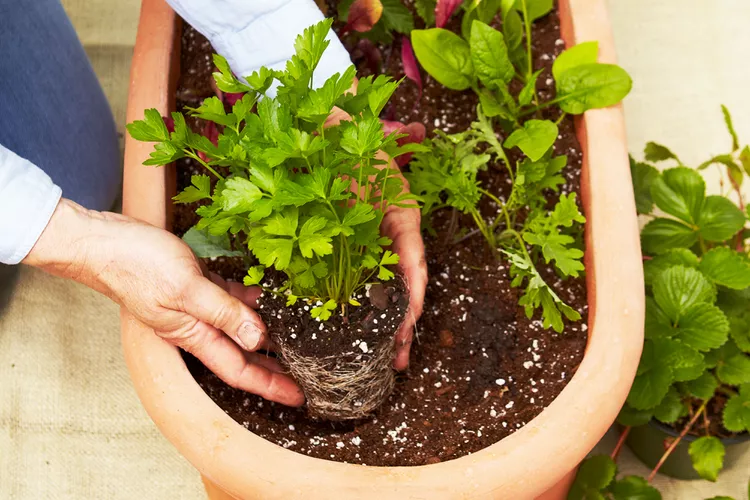
Transplant nursery starts into roomy containers so that their roots are planted as deep as they were growing in their nursery pots.
5. Provide enough light.
Parsley grows best in full sun to part shade. In most areas, outdoor parsley plants should be positioned in a spot that receives at least six hours of bright light daily. However, if you live in a very hot location, parsley may grow better in a spot that receives some afternoon shade. Indoor parsley plants grow well in sunny windows but might need supplemental grow lights in low-light homes.
6. Water regularly.
Like other tender-stemmed herbs, parsley is a water lover that needs consistent moisture for proper growth. Plants typically need about 1 inch of water per week, although parsley grown in small pots may need even more water. A good rule of thumb is to water parsley when the top 1 inch of soil feels dry to the touch.
7. Fertilize as needed.
Although parsley isn’t a heavy-feeding plant, it will grow better with extra nutrients. Start the growing season off right by enriching the potting mix with compost or worm castings. After that, a monthly dose of organic liquid fertilizer diluted to half strength will give your plants the support they need to produce a flush of new leafy growth.
8. Watch for pests.
Parsley isn’t as vulnerable to pests as some other edible plants, but it can be prone to a few nuisance insects, like leafminers, cutworms, and aphids. Companion planting with strongly scented herbs like chives can deter some insects, while plant collars are handy for preventing cutworms. The good news is that plants grown in pots are less likely to attract pests, and indoor parsley plants are even easier to keep pest-free.
9. Harvest often.
After the plants are at least 6 inches tall, harvest parsley by snipping the stems off at the soil line. If you only need a little parsley, cut away a few of the exterior stems. However, if you need lots of parsley, harvest up to a third of the plant. Harvesting also encourages plants to sprout new leaves.
10. Plan for next year.
Even under the best conditions, parsley plants are short-lived biennials that live for only two years before they go to seed and die back. Some growers keep second-year parsley around for flowers and to harvest seeds for planting, but it’s typically much easier to grow potted parsley as an annual and plant new seeds every spring. This saves you the trouble of overwintering parsley plants, but don’t forget to mark your spring calendar so you remember to sow new parsley seeds every year.
New