Figuring out how to use fertilizer for plants can quickly become overwhelming. Once you factor in the different types of fertilizers, the quality of your soil, and what each individual plant needs, it can feel easier just to skip the whole process altogether. However, if you’re not fertilizing your plants, they likely won’t grow or bloom as much as you want. Beyond sunlight and water, all plants require certain nutrients to thrive, and if you don’t occasionally replenish their supply, they can end up having health issues. Here’s what you need to know about fertilizing your plants to keep your garden thriving.
Why Fertilizer for Plants is Essential
Much like people, plants need a set of essential nutrients to grow properly and stay healthy. In particular, all plants must have nitrogen, phosphorous, and potassium, known as macronutrients, because plants need them the most (there are also several micronutrients needed in such small quantities that you usually don’t have to worry about them). Without enough of these macronutrients, you’ll eventually end up with very sad plants with weak stems, smaller leaves, fewer flowers, and poor color.
The good news is that you can correct most nutrient deficiencies by adding fertilizer to your soil. The best fertilizers for plants depend on whether they are growing in your garden or in containers.
Fertilizing Garden Plants
It might seem like your plants can get all the nutrients they need from your garden soil, but that’s not always the case. Factors such as the region you’re in and what had been previously growing in your soil can impact its nutrient levels. Newer properties that have had fill dirt added after construction may start with very poor soil that’s low in organic matter, which is the main natural source of plant nutrients. Even if you’ve got rich soil, your plants can use up all the available nutrients over time.
Test the Soil
Before you begin using fertilizer for plants, you need to figure out your yard’s current nutrient situation. Start by testing your soil so you know what you’re working with and what you need to add for healthier plants. Skip this step, and you could end up wasting money on fertilizer for plants that isn't needed, or overdo it and end up damaging your plants. The results of your soil test will usually tell you exactly how much fertilizer with a particular nutrient you need to provide. Because plants will use up different amounts each year, it’s a good idea to do a soil test annually.
Supplement Soil Nutrients
Adding compost, mulch, and other organic matter to your soil can help make it richer but may not provide nutrients fast enough to satisfy everything you’re growing. The reason? Organic matter needs to break down before nutrients can become available for plants.
You can supplement these slowly released nutrients with more immediately available ones that fertilizers provide. Use either a liquid or granular product with a balanced amount of the big three nutrients, indicated by a 10-10-10 on the label (representing the nitrogen-phosphorus-potassium proportions in the fertilizer, often abbreviated to N-P-K), which will suit most plants.
Fertilizing Houseplants and Container Gardens
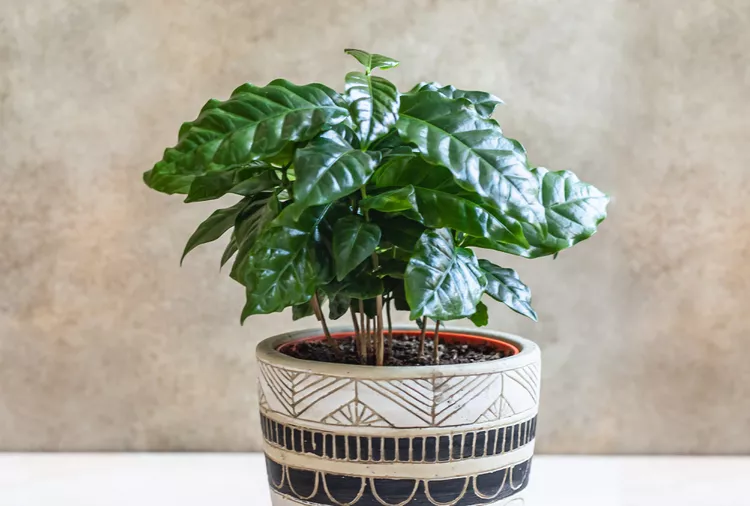
Fertilizer is essential for houseplants and other container plants because they’re limited to the soil in their pots. Once those nutrients are gone, your plant’s roots can’t stretch out to find more. This is one reason experts recommend starting with quality potting soil, which often already has slow-release fertilizer to support initial growth. Once that gets used up, adding more or repotting the plant using a fresh mix is important.
If you’re unsure how much fertilizer to give your potted plants, it’s always better to under-fertilize than go overboard. Adding too much fertilizer can make it harder for the plant’s roots to soak up water. An overdose of fertilizer can also cause leaves to turn brown or yellow, the opposite of what you’re trying to achieve.
If you use a liquid fertilizer for plants meant to be mixed with water first, a handy trick is diluting it to about half the strength the label recommends. That way, you’ll reduce the risk of over-fertilizing, but your plants will likely get enough of what they need (remember, a little goes a long way).
Always handle and apply fertilizer according to package directions. Wear gloves when applying, and avoid sprinkling fertilizer when it's windy, as it can blow back into your face. Additionally, make sure to store the fertilizer in a safe and secure location that is out of the reach of pets or children who may get into it.
How Often to Fertilize Plants
You might take daily vitamins, but fertilizer for plants isn't needed as frequently. Exactly how often you fertilize your plants depends on the types you are growing and the time of year.
Fertilizer for Outdoor Plants
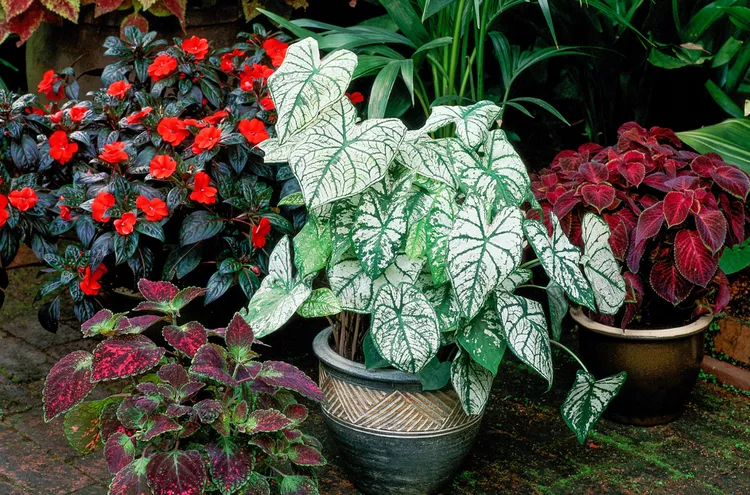
Some garden plants are heavy feeders (meaning they need more nutrients than others). These tend to be species that grow fast and bloom a lot, including most annuals, fruits, veggies, roses, and hydrangeas. These plants appreciate being fed about once a month during their growing season with a general-purpose liquid fertilizer.
Other plants, including some perennials (such as bee balm and coneflower), trees, and shrubs, don't need much fertilizer at all—especially if you add plenty of compost or other organic material to their soil before planting. You may want to feed them once in the spring as they start ramping up their growth.
Fertilizer for Indoor Plants
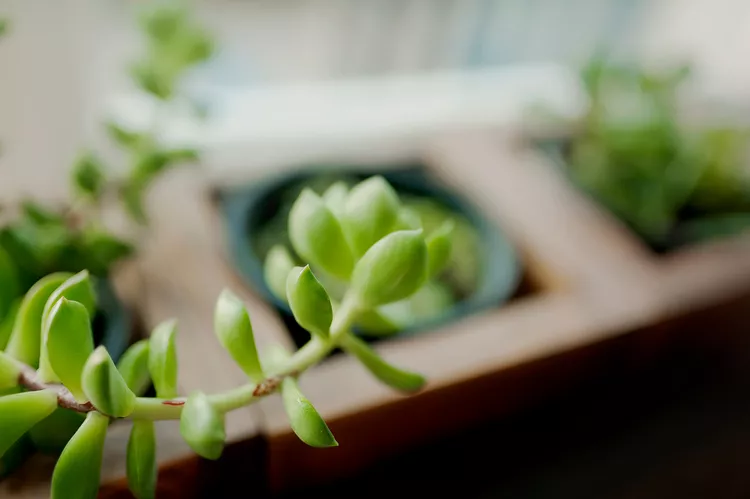
Many leafy and flowering houseplants also follow a seasonal schedule, slowing down their growth during the cooler months and, therefore, not needing as many nutrients. When they're more actively growing in the spring and summer, they benefit from a little liquid fertilizer mixed into their water about once a month. If you're not one to remember to do that, go for slow-release granules or a nutrient tab you can push into the soil every few months or so. When it comes to indoor cacti and succulents, which generally don't need much fertilizer at all, just one or two doses of liquid fertilizer per year will suffice.
New